Can Greece support a nuclear programme?
Before a country decides on nuclear power it examines its national policy, regulator, legal framework, grid, siting, workforce and waste plans. For Greece the barrier is institutional, and the slowest parts are the regulator and the workforce.
The reactor is the easy part
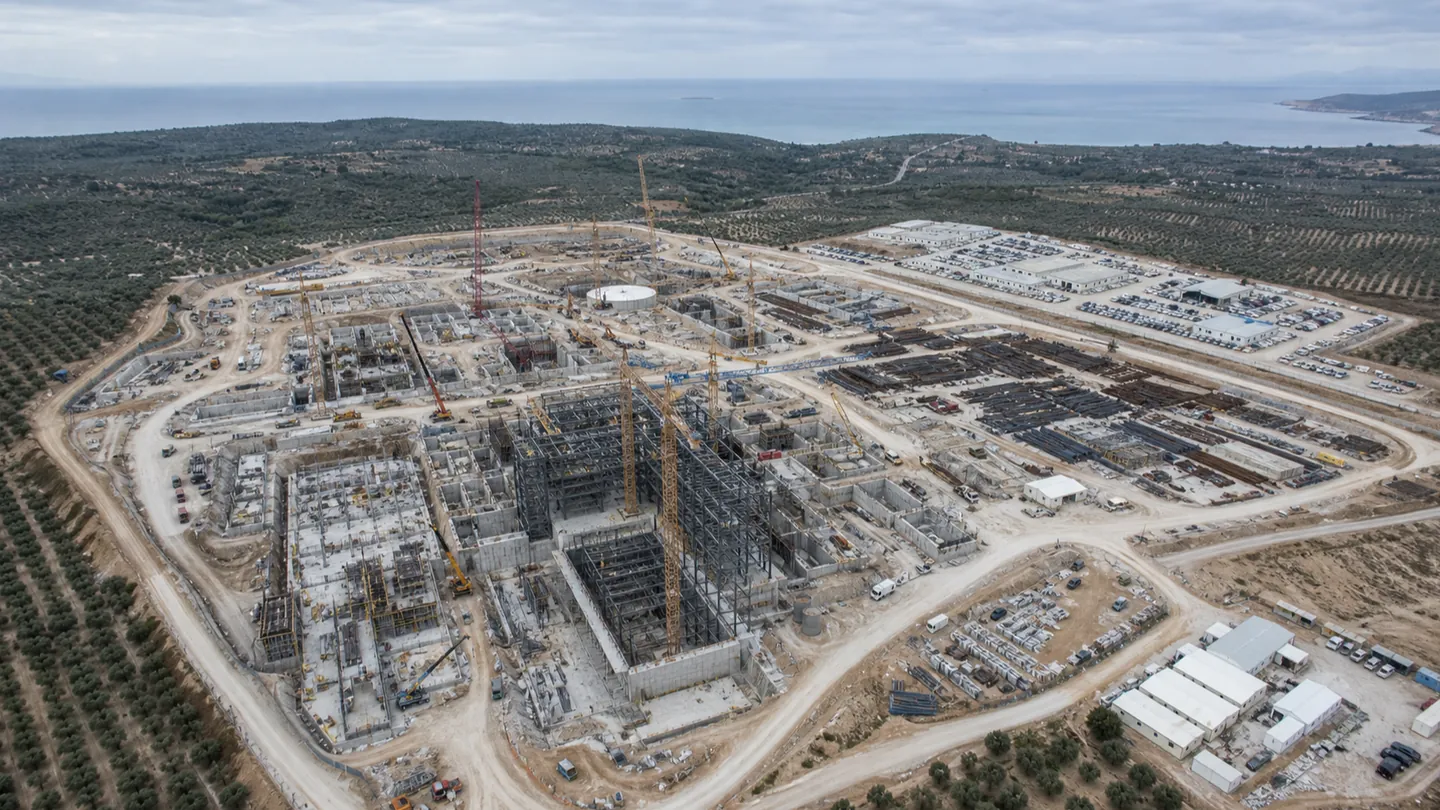
Whenever nuclear power comes up in Greece, attention goes straight to the machine: which type, what size, how modern. That is the part that is for sale. Vendors exist and designs have been licensed elsewhere. What cannot be bought is the state that receives a nuclear power plant and oversees it for as long as it operates, and for long after it stops.
The Greek debate usually stops at cost and seismicity. Both are real issues, but neither is the binding constraint. Everywhere this route has been taken, the slowest part has been the independent regulator and the people who staff it, operate and maintain the plant. ‘Can Greece?’ is an institutional question in technical wrapping.
Countries that examined the question seriously did not start with the reactor. They started with the areas they must be able to answer for before deciding. None of them is decorative, and none can be settled by a ministerial decision:
- national policy and the commitment behind it
- an independent regulatory body and the legal framework
- nuclear safety, physical protection of facilities and safeguards on nuclear material
- financing, the electricity grid and human resources
- stakeholder involvement, siting, environmental protection and emergency preparedness
- the fuel cycle and radioactive waste
- domestic industry participation and procurement
A decision that has to outlast governments
A nuclear programme outlives any government that serves it: from feasibility study to the end of decommissioning, the timescale is decades. It needs a written national position, a body accountable for it, a staged timetable, and political ground that survives changes of government. A programme that starts and stops costs money and produces nothing.
The legal framework is more than one law. Primary legislation has to cover licensing, inspection and enforcement, radiation protection, transport of radioactive material, physical protection, waste and decommissioning finance. Above that sits a civil liability regime: strict liability for the operator, mandatory financial cover, and a state layer on top. Without it, no vendor and no lender will sign. As an EU member state, Greece already works within a European framework for radiation protection and nuclear material control, but a power plant requires far more.
Nuclear security, a separate discipline from safety, also starts with the state. It defines the design basis threat on which physical protection, vetting, cyber security and armed response are built, and who provides armed response, the state or the operator’s own guard force, is a national choice.
The regulator does not come with the reactor
Independence means separation from whoever promotes nuclear power and whoever owns the plant, a budget that does not depend on ministerial goodwill, pay that can attract engineers from industry, and the legal power to stop work. Decisions have to rest on technical reasoning and be open to judicial review, not to political bargaining.
The regulator assesses a design it did not choose, licenses in stages from site to decommissioning, inspects the site and component factories, and judges the operator’s safety case. For that it needs technical support: laboratories, analysis codes, expert contracts and peer review from abroad.
Greece already has a regulator. The Greek Atomic Energy Commission (EEAE) is the competent regulatory authority for nuclear safety and radiation protection (Law 4310/2014), and Presidential Decree 60/2012 is the national framework for the nuclear safety of nuclear installations1. What is missing for a power plant is licensing rules for such a plant and the capacity to apply them, which call for different specialisms on a far larger scale.
That capability is built only with time and real work. A regulator’s credibility shows when it says no; one that acts as a promoter of the programme has lost its reason to exist. This is where newcomer countries lose most time, and money does not help.
People: the path that cannot be shortened
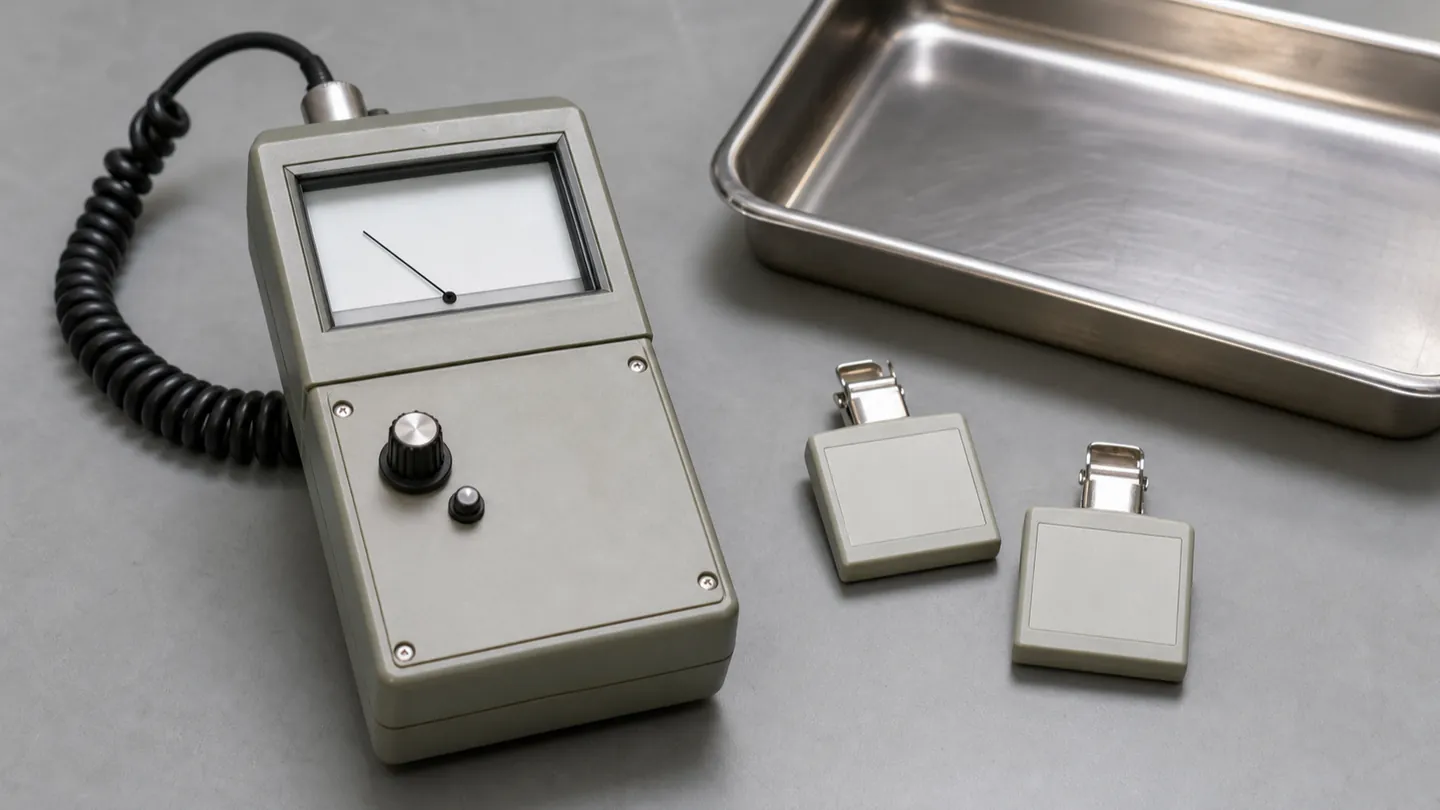
The skills needed do not form a single family: regulatory inspectors, licensed control-room operators, maintenance and chemistry engineers, radiation protection officers, quality assurance engineers, emergency planners, and the academics who will teach the next cohort. Each has its own training path, and all draw on the same pool.
Greece has an academic base in physics and radiation protection, and Greek engineers on nuclear programmes abroad. That is raw material, not ready capability. Inspectors and operators mature in working plants, which means secondments to countries that already run reactors, under agreements signed well in advance.
The awkward part is political. Nobody builds a career in an industry that may never exist, so the state must fund posts, scholarships and secondments before anything tangible appears, over a horizon longer than its own term. Safety culture travels through people who have worked inside it. It cannot be imported in a procedures manual.
Grid, siting and the area around the plant
Nuclear generation is low-carbon and dispatchable. It is not a renewable source, nor automatically ‘green’, and the EU Taxonomy includes it only under strict conditions, with explicit requirements on waste management and decommissioning finance. A large unit in a comparatively small system becomes its largest single infeed, and the system has to be able to lose it instantly without collapsing. That sets reserve, inertia and interconnection requirements and, working backwards, the largest unit size that makes sense for the Greek system.
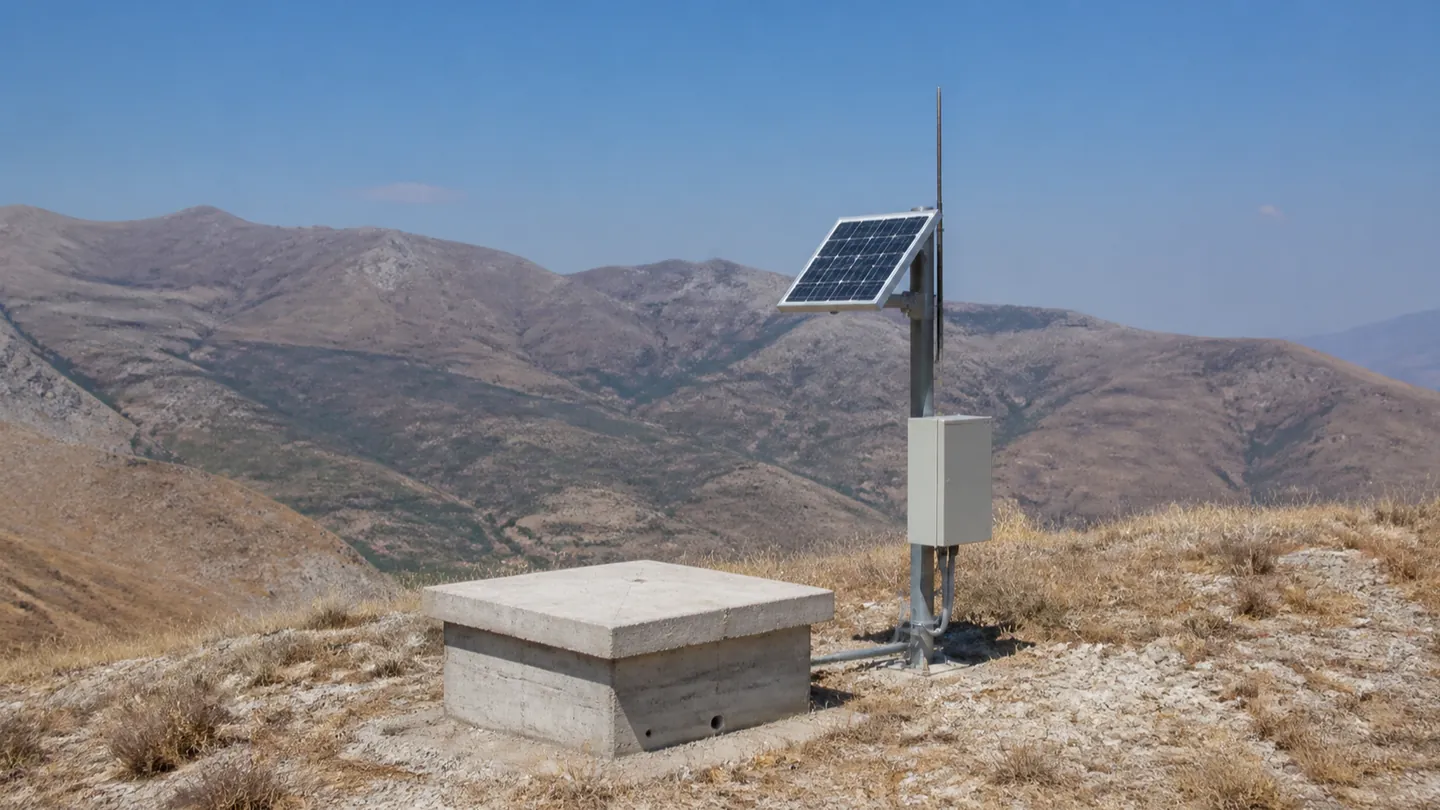
Siting turns on much more than access to water: seismic hazard and fault activity, coastal flooding and tsunami, ground conditions, heat discharge, external hazards, population distribution, heavy transport routes and grid connection. That work belongs to the regulator and the implementing body, based on field measurements. We do not suggest locations.
Environmental licensing runs in parallel, with transboundary consultation where required and a radiological baseline survey long before construction. Stakeholder involvement is technical work with its own budget and staff. A local community behaves as though it holds a veto even where it formally does not, and consultation after the decisions are made is the quickest way to lose a site.
Emergency preparedness concerns the surrounding area: planning zones, criteria for sheltering or evacuation, iodine distribution, notification of neighbouring states, and exercises with real public participation. The civil protection authority has to own it, not file it.
Money, fuel and obligations that outlive the plant
A plant’s cost is almost all up-front capital, and fuel is a small share of operating cost, so the cost of capital and the construction period dominate: every delay compounds into the final price of electricity. Purely market financing barely exists for such projects, so the options are state-backed: contracts for difference, regulated asset base models, guarantees or direct public participation. Each has to pass EU state aid control.
A vendor’s cost and schedule figures for a new design are forecasts. European first-of-a-kind projects took significantly longer and cost significantly more than first estimated, so such figures are commercial claims to be tested.
The supply chain runs under a nuclear quality regime: certified quality assurance, material traceability, checks for counterfeit parts, and long-lead heavy forgings from few facilities worldwide. Greek industry can qualify for part of this work, though qualification is a project in itself, and domestic-content targets set high for political reasons slow construction.
No newcomer country needs its own enrichment or fuel fabrication. It needs diversified supply contracts and a strategic stock, because the front end of the fuel cycle is concentrated in a few suppliers. Even a large nuclear fleet still imports uranium, so ‘energy independence’ is the wrong phrase: what changes is the profile of dependence. Fuel arrives only under safeguards, the verification that nuclear material is not diverted, which for an EU member state runs at European level alongside the international one.
Spent fuel goes to a pool and later to dry storage, which is interim, not final. EU rules require each member state to have a national programme for spent fuel and radioactive waste, with a path to disposal and funding secured while the plant generates. Few countries have advanced deep geological disposal programmes; the rest rely on interim storage.
How long would it take?
The clock does not start with the first concrete pour. It starts with legislation, a regulator equipped to license a power plant, and people not yet trained. Then come a national energy strategy, feasibility studies on whether the system can carry a unit, technical screening of areas with consultation alongside, and vendor selection under contracts that settle who carries overrun risk.
Licensing is a chain of decisions: design assessment, site licence, construction licence, operating licence, each opening the next without guaranteeing it. Construction runs inside that chain, with hold points where work stops until approval is given.
Some stages can overlap: institutional preparation can proceed while studies mature, and training can and should start very early. Others cannot be compressed. Regulatory review is limited by the number of experts able to do it, consultation can be hurried only at the expense of legitimacy, and an immature design dossier costs more time than it saves.
This site gives no number of years for Greece, by choice. Greece has taken no decision to build and has no chosen technology; no licensing framework for power plants is applied (Presidential Decree 60/2012 is the general nuclear safety framework), and there is no agreed financing scheme. A range written now would be invention presented as a forecast. What has started is the IAEA’s Phase 1: Act 28/2026 set up a Committee to produce a Final Report with an analysis of institutional gaps, pre-feasibility studies and a roadmap2. When a number of years is quoted, the first question is where it counts from. For the current state of play, see where Greece stands.
What can be said is qualitative. The horizon is decades, the slow part is institutional and human, and a country’s first unit takes longer than those that follow. Nuclear power is therefore not an answer to current energy pressure; it is a choice about the mix of the coming decades.
The short answer to the title is neither yes nor no. Nothing in Greece’s engineering base rules out a nuclear programme, but none of what concerns a power plant specifically exists today in working form. A regulatory authority, radiation protection, emergency preparedness, a civil liability regime, international conventions and safeguards already exist; what is missing cannot be sped up by money or imported technology, because it is about institutions and people. Opening the question means funding a regulator and a generation of engineers long before any concrete is poured, and committing the state to waste and decommissioning long after the plant stops.
Frequently asked questions
Would Greece need its own fuel cycle to have a nuclear plant?
No. Enrichment and fuel fabrication are bought on the market, and no newcomer country develops them alone. What is needed is supply contracts with diversified sources, a strategic stock, and the safeguards and nuclear material accounting system that allows fuel to enter the country lawfully.
If a design is already licensed in another country, why does Greece need its own regulator?
Because a licence does not transfer. A foreign assessment rests on different assumptions about site, seismicity, grid and legal framework. Using it reduces the workload and can save time, but it does not remove it, and there is no automatic recognition of licences between countries. Responsibility for safety on a country’s territory stays national, and it is exercised by an authority able to review the design on its own.
Would small modular reactors shorten the path?
A smaller unit could mean a shorter construction period and perhaps a different financing structure. It does not shorten the institutional preparation, and it does not remove the need for an independent regulator, a legal framework, a liability regime, emergency plans, safeguards and a solution for waste. Many designs exist, but very few are operating or under construction, and licensing, financing, fuel and series production remain open questions. Performance and cost figures announced for new designs are vendor forecasts, not measured operating experience.
The editor works as an engineer in the nuclear sector. Views here are his own and do not represent any employer. The platform receives no funding from anyone. Not yet independently reviewed by a second engineer. Read in Greek.
Sources
- Ελληνική Επιτροπή Ατομικής Ενέργειας (ΕΕΑΕ) · CNS 2022 Greece National Report. Greek National Report under the Convention on Nuclear Safety. Tier 1 primary official — published 2022-01-01 · retrieved 2026-08-16
- Εφημερίδα της Κυβερνήσεως της Ελληνικής Δημοκρατίας · ΦΕΚ Αʹ 136/08.09.2026 — Πράξη Υπουργικού Συμβουλίου 28 της 24.8.2026. Σύσταση, συγκρότηση και λειτουργία Κυβερνητικής Επιτροπής για την Πυρηνική Ενέργεια. Tier 1 primary official — published 2026-09-08 · retrieved 2026-09-12
Every figure on this page links to its source and the date it was retrieved. Original titles are kept in their own language. If something does not add up, tell us.
Read next